

Sarah Stalder
Gemeinsam gegen spitalerworbene Lungenentzündungen

Hilf mit, spitalerworbene Lungenentzündungen zu verhindern!
Einzigartige Landkarten der ZB: Prunkvolles und Geheimes
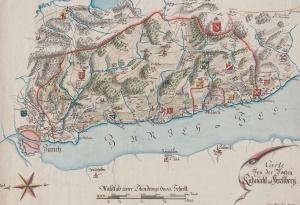
Hilf mit, geheime, gelehrte und glanzvolle Karten aus 1000 Jahren zu verorten!
Jedes Alter zählt – Gemeinsam gegen Altersdiskriminierung

Schon mal als «zu jung» oder «zu alt» angesehen worden? Teile deine Erfahrung und forsche mit uns! Die Beiträge fliessen in die Forschung zu Altersdiskriminierung, sozialer Teilhabe, Chancengleichheit und Inklusion in der Schweiz ein. So leisten Teilnehmende einen direkten Beitrag zu neuem Wissen, das Politik, Gesellschaft und Forschung nutzen können.
ZüriCats
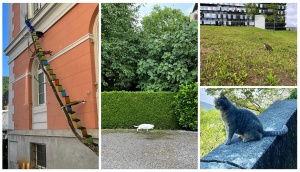
Wir verbinden Katzenhalter:innen mit Wissenschaftler:innen, um Erkenntnisse über die Gesundheit von Katzen zu gewinnen! Entscheidend für unsere Studie ist die Analyse von Katzenkot.
Feldforschung in der Stadt Zürich: Kommunikation & Freiwillige im Projekt «Igel gesucht»
Dies ist ein Blogbeitrag in der Serie «Best Practice Wissenschaftskommunikation»
Autorinnen: Claudia Kistler und Anouk Taucher
Hintergrund
Der Lebensraum des Europäischen Igels hat sich in den letzten 50 Jahren durch die intensive Landwirtschaft stark verändert. Anstelle der Kulturlandschaft mit kleinräumigen Strukturen wie Hecken, Gehölze und kleineren Acker- und Wiesenflächen breiteten sich ausgeräumte Landschaften aus. Die Folge war, dass in diesen Gebieten die Igelpopulationen abnahmen, wie mehrere Studien aus verschiedenen europäischen Ländern ergaben. In städtischen Gebieten hingegen scheint sich die Art besser halten zu können, allerdings gerät sie auch hier vermehrt unter Druck, da immer mehr Flächen verdichtet und versiegelt werden und damit Grünräume verloren gehen (Abb.1). Untersuchungen des Citizen-Science-Projekts StadtWildTiere zeigen, dass in der Stadt Zürich die Verbreitung der Igelpopulation zwischen 1992 und 2017 um 17 Prozent und die Anzahl der Igel um 40 Prozent abgenommen hat. Aufgrund dieser Zahlen wurde der Igel in der neuesten Roten Liste erstmals als potenziell gefährdet eingestuft. «Rote Listen sind anerkannte wissenschaftliche Gutachten, in denen der Gefährdungsgrad von Arten dargestellt ist. Sie werden in der Schweiz im Auftrag des BAFU von Fachpersonen erstellt.»
Winti Scout – der Stadtflora auf der Spur
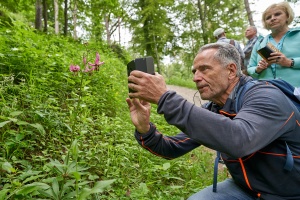
Mach mit als Winti Scout und folge den Spuren der Blumen und Bäume in der Stadt Winterthur.
Crowdsourcing im Bildarchiv der ETH-Bibliothek
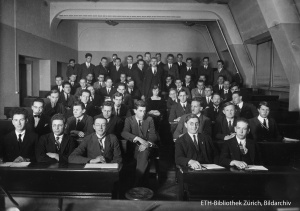
Verbessern Sie Metadaten bzw. georeferenzieren Sie historische Bilder des Bildarchivs der ETH-Bibliothek.
«Museum Sangallense» –Eine Sammlung, die Geschichte schreibt

Entziffern Sie mit uns historische Handschriften und schreiben Sie Bibliotheksgeschichte!
Öffentlichkeiten der Kunst. Die Geschichte der Schweizerischen Plastikausstellung
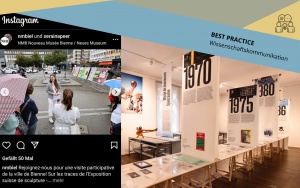
Dies ist ein Blogbeitrag in der Serie «Best Practice Wissenschaftskommunikation»
Autorin: Yvonne Schweizer
 Das Forschungsprojekt des Instituts für Kunstgeschichte der Universität Bern sammelt die Erinnerungen der Bieler:innen zur Geschichte der Schweizerischen Plastikausstellung. 2023 ging die Crowdsourcing-Webseite publics-arts.ch online. Ausgewählte Einsendungen wurden in die Ausstellung Re/Sculpture im NMB Neues Museum Biel aufgenommen. Das Projekt läuft bis August 2026 und wird gefördert vom SNF.
Crowdsourcing in den Geisteswissenschaften
Welche Nutzungen und Umnutzungen finden an Kunst im öffentlichen Raum statt? Wie kann eine Ausstellung zu Skulptur im öffentlichen Raum aus der Sicht des Publikums erzählt werden? Diese Fragen beschäftigen ein Forschungsteam von Kunsthistoriker:innen der Universität Bern, das dafür das partizipative Citizen Archive publics-arts.ch gestartet hat. Anlass dazu gibt ein Forschungsprojekt zur Schweizerischen Plastikausstellung, der grössten und ältesten Ausstellungsreihe zur Skulptur im öffentlichen Raum. Sie findet seit 1954 in regelmässigen Abständen im Freien in Biel/Bienne statt.
Die Webseite richtet sich an die Bieler Zivilgesellschaft, die in mehreren aufeinander aufbauenden Medienkampagnen und Kulturanlässen dazu aufgerufen wurde, ihre Erinnerungen an die Geschichte der Schweizerischen Plastikausstellung zu teilen. Hochgeladen werden können alle Dateiformate: Fotografien, Texte, Audiobeiträge, Zeitungsausschnitte, Filme – alles, was sich in privaten Alben und Kisten auf dem Estrich finden lässt.
Lebendige Thur
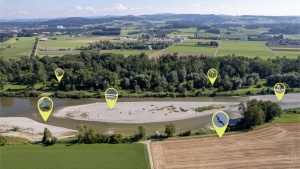
Hilf mit, die Artenvielfalt der Thur zu entdecken!

